Understanding Traditional Kimchi Ingredients
Essential Vegetables for Kimchi
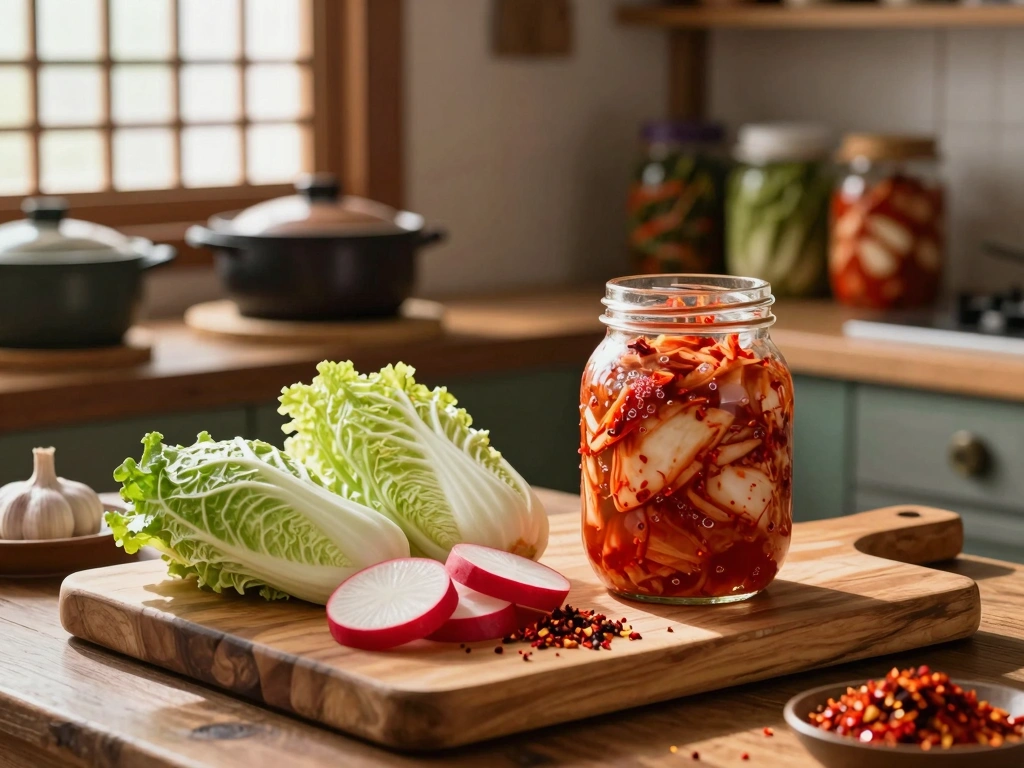
The foundation of any kimchi recipe lies in its vegetables, with napa cabbage and Korean radish (mu) being the most traditional choices. These vegetables not only provide the crunch and texture characteristic of kimchi but also serve as the primary vehicles for fermentation.
- Napa Cabbage: Typically used in most kimchi recipes, napa cabbage is prized for its tender leaves and ability to absorb flavors during fermentation. A typical recipe calls for about 1 medium-sized napa cabbage, which can weigh around 2-3 pounds.
- Korean Radish (Mu): This radish is denser and crunchier than common varieties, contributing a unique flavor profile. Approximately 1 pound of mu is commonly used, cut into matchsticks or cubes.
- Green Onions: These are often added for a mild onion flavor. About 5-6 stalks can be chopped and mixed in with the cabbage.
Fermentation Agents: Salt and Beyond
Salt is the primary agent in kimchi fermentation, as it draws out moisture from the vegetables and creates an environment conducive to lactic acid bacteria growth. Traditionally, coarse sea salt or Korean coarse sea salt (known as geongang salt) is preferred, often used at a ratio of about 1/4 cup per 2 pounds of vegetables.
Besides salt, some traditional recipes may include fermented seafood ingredients like jeotgal (fermented shrimp or fish sauce), which can further enhance the umami flavor profile. These ingredients facilitate the fermentation process and contribute to the depth of flavor.
Spices and Flavor Enhancements
The flavoring of kimchi is where the magic happens. A typical kimchi paste includes a blend of spices and ingredients:
- Korean Red Pepper Flakes (Gochugaru): This spice is essential for heat and color. A typical recipe usually calls for 1/2 to 1 cup of gochugaru, adjusted according to personal heat preference.
- Garlic: Fresh garlic cloves are often included, with about 4-5 cloves minced or pureed into the paste.
- Ginger: A small piece of fresh ginger, about 1-2 inches, can be grated and added for a fresh and zesty flavor.
- Sugar: A teaspoon of sugar may be added to balance the flavors and promote fermentation.
Traditional Fermentation Techniques
Using Clay Pots for Fermentation
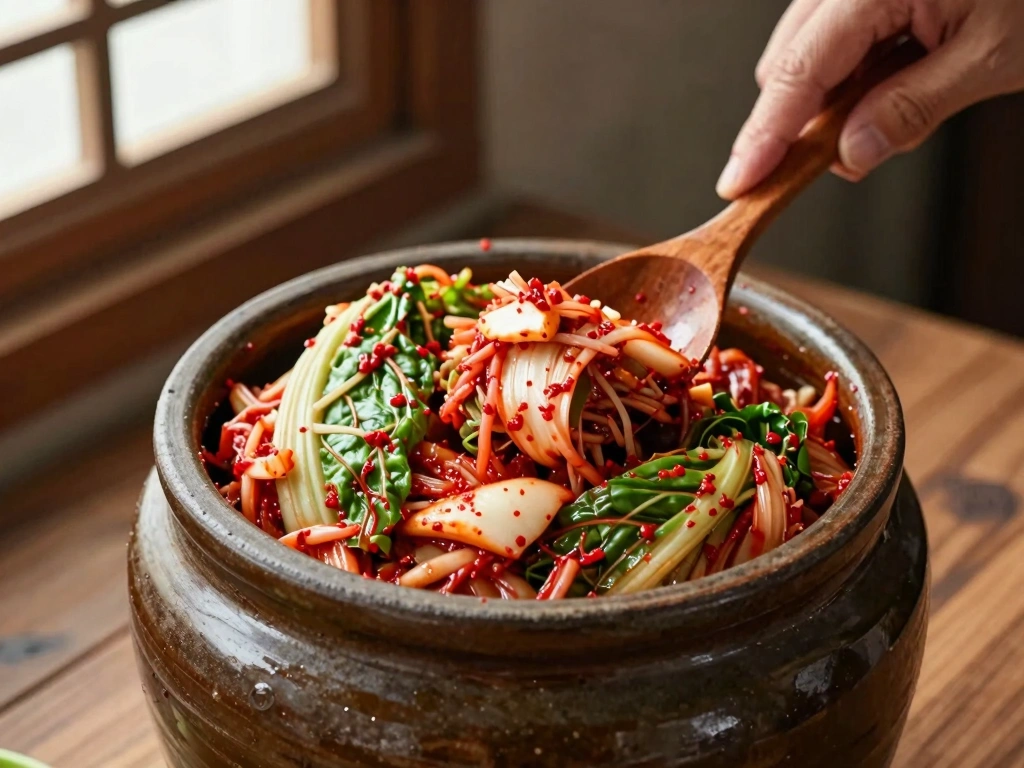
Historically, kimchi was fermented in large earthenware pots called onggi. These pots are ideal because they are porous, allowing gases produced during fermentation to escape while maintaining humidity. If you're looking to emulate this traditional method at home, consider purchasing a medium-sized onggi or using a glass jar with a loose-fitting lid to achieve a similar effect.
The Role of Temperature and Environment
The fermentation environment significantly impacts the quality and flavor of kimchi. Traditional fermentation occurs at room temperature, around 68°F to 72°F (20°C to 22°C), for 1 to 3 days, depending on your desired level of fermentation. After this initial period, the kimchi can be moved to a cooler place, like a refrigerator, where it will continue to ferment slowly. This step is crucial for developing complex flavors without the risk of spoilage.
Duration of Fermentation: Finding the Right Balance
The time it takes for kimchi to ferment can vary based on several factors, including the ambient temperature and the specific ingredients used. Generally, a shorter fermentation time will yield a fresher, crunchier kimchi, while a longer fermentation will produce a softer, more pungent flavor. For traditional kimchi, aim for a fermentation period of:
- 1-2 days: For a fresh and crunchy texture.
- 3-5 days: For a balance of flavor and texture.
- 1-2 weeks: For a robust, sour taste.
Cultural Significance of Kimchi Fermentation
Kimchi in Korean Cuisine and Traditions
Kimchi is more than just a side dish in Korean cuisine; it embodies the essence of Korean identity and culture. Traditionally served with almost every meal, kimchi is valued for its nutritional benefits, including probiotics and vitamins. The fermentation process is also seen as a method of food preservation, allowing families to enjoy seasonal vegetables year-round.
Seasonal Variations in Kimchi Preparation
Different types of kimchi are prepared based on the season, taking advantage of the freshest ingredients available. For instance:
- Summer: Watermelon rind kimchi or cucumber kimchi (oi sobagi) are popular choices as they are refreshing and light.
- Winter: Napa cabbage kimchi is favored as it is heartier and can withstand longer fermentation times, making it perfect for cold months.
Kimjang: The Community Spirit of Kimchi Making
Kimjang, the traditional practice of making large batches of kimchi to prepare for the winter months, is a communal activity that brings families and communities together. This event often involves everyone in the household, from young children to the elderly, and it reinforces social bonds and cultural heritage. In 2016, UNESCO recognized Kimjang as an Intangible Cultural Heritage of Humanity, highlighting its importance in Korean culture.
Common Mistakes in Traditional Kimchi Fermentation
Over-Salting: Effects on Flavor and Texture
One of the most common pitfalls in traditional kimchi fermentation is over-salting. While salt is essential for drawing moisture and creating a favorable environment for fermentation, excessive salt can lead to a kimchi that is overly briny and unpalatable. The ideal amount is about 2-3 tablespoons per cabbage, adjusted based on personal taste preferences.
Improper Storage Conditions
Storing kimchi at inappropriate temperatures can lead to spoilage or undesirable fermentation. Kimchi should be stored in a cool, dark place during the initial fermentation phase, and then in the refrigerator for long-term storage. Avoid keeping it near heat sources or in direct sunlight, as this can accelerate fermentation and lead to off-flavors.
Neglecting to Monitor Fermentation Progress
Fermentation is a dynamic process, and it’s essential to monitor kimchi regularly. Neglecting this can result in overly sour or unbalanced flavors. Check the kimchi every day during the initial fermentation period to ensure it is developing to your liking. Taste testing will help you gauge when it’s time to move the kimchi to the refrigerator.
Enhancing Traditional Kimchi with Variations
Incorporating Regional Ingredients
One of the joys of making kimchi at home is the opportunity to experiment with regional ingredients that can bring unique flavors to your batch. For instance, adding local vegetables like carrots or beets can provide a different texture and taste. In coastal regions, incorporating seafood like oysters or squid can yield a brinier flavor profile, aligning with traditional coastal kimchi recipes.
Experimenting with Fermentation Times
While traditional methods provide a guideline, don’t hesitate to experiment with fermentation times to suit your palate. If you prefer a milder flavor, you may choose to ferment for a shorter duration, while ardent fans of sour kimchi may leave it to ferment for several weeks. Keeping a detailed journal of your experiments can help you refine your technique over time.
Creating Unique Flavor Profiles with Additives
Adding unique ingredients can transform your kimchi into something extraordinary. Consider incorporating:
- Fruits: Pineapple or apple can add a sweet and tangy twist.
- Herbs: Fresh herbs like cilantro or mint can infuse a refreshing element.
- Spices: Experimenting with spices like cumin or coriander can add depth to the flavor.
By staying true to the traditional methods while allowing for personal creativity, you can craft a kimchi that is not only delicious but also reflective of your culinary journey.